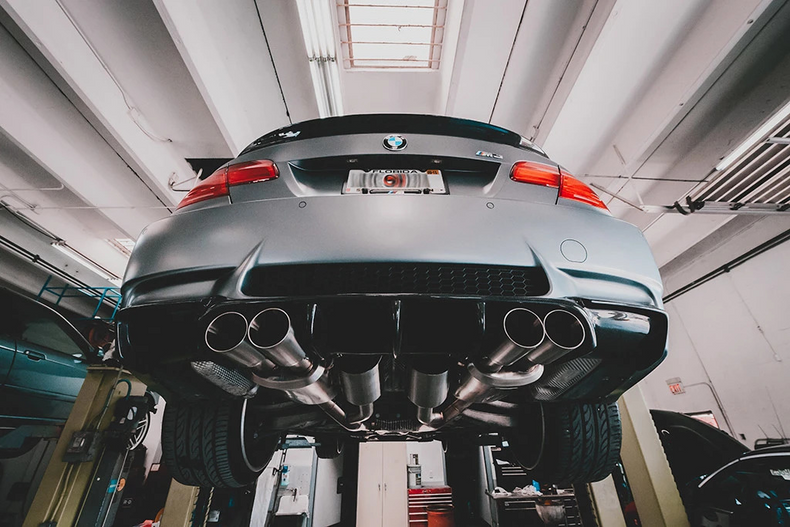
Would the aftermarket performance parts you want to install or have already installed on your car affect your warranty? While it's true that aftermarket parts can cause issues that may not be covered under warranty, it's actually against federal law to void a warranty solely because someone has installed an aftermarket part.
Do Aftermarket Parts Void Warranty? Let’s Set the Record Straight

The short answer is no. Installing aftermarket parts on your car does not automatically void your warranty. Thanks to the Magnuson-Moss Warranty Act, federal law protects your right to upgrade or modify your vehicle without losing warranty coverage, unless the aftermarket modification directly causes the issue in question.
"A dealer must prove an aftermarket part caused the failure to deny a warranty claim."
Which Specific Parts Are Most Likely To Trigger Warranty Concerns?

As a rule of thumb, the more extreme the modification, the more likely it could cause an issue that won’t be covered by your warranty.
Modified ECUs: A mild remap to boost performance should not detrimentally affect your vehicle. Some manufacturers even employ this same practice to differentiate their models. However, overly aggressive ECU remaps that push the engine well beyond its design parameters are far more likely to lead to issues.
Forced Induction Systems: If you install a turbo or supercharger on your naturally aspirated vehicle or extensively modify your existing forced induction setup, the dealer may claim that any damage caused will be due to these modifications.
Lowering Kits and Suspension Mods: Suspension upgrades, sportier wheels, and stiffer shock absorbers can vastly improve your car’s handling. But going too far and proving that these mods didn’t cause the damage you are claiming can be difficult.
Stick to reputable brands, and proven modifications to help ensure that you don’t have your warranty claims rejected.
Does The Magnuson-Moss Warranty Act Protect Me If I Install Aftermarket Parts?
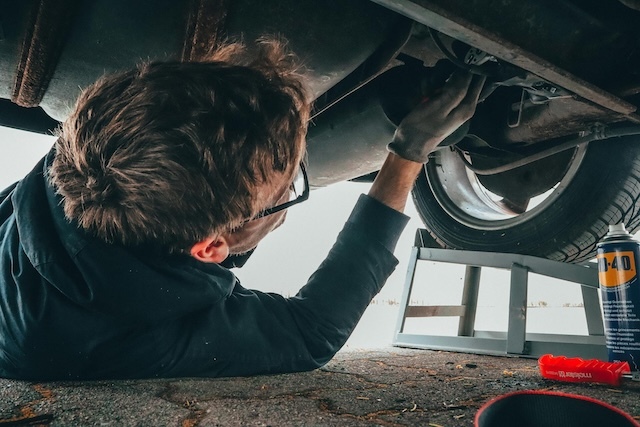
Yes, it does. Enacted in 1975, the Magnuson-Moss Warranty Act provides strong protections for consumers modifying their vehicles. Here’s what it guarantees:
- Dealer warranty denial is not legal just because you've installed an aftermarket part on your vehicle.
- Dealers can't include tie-ins as warranty conditions, i.e. having to service your car at the dealership or using certain brands over others.
- The only time a warranty can be denied because of an installation of an aftermarket part is when it's proven that the aftermarket part caused the problem.
- The burden of proof is on the dealer, not the car owner. It's up to the dealer to provide proof that the aftermarket part was the issue to deny the warranty claim.
- You’re allowed to use non-OEM parts and service providers. This means that OEMs can’t force you to use certain dealerships or brands.
- If they prove that the aftermarket part caused the issue, only the warranty for that issue can be denied. Your warranty is still active for any unrelated parts.
"Installing performance parts does not void a car warranty unless proven to cause the issue."
What's The Best Way To Be Sure Your Aftermarket Or Performance Parts Won't Void Your Warranty?
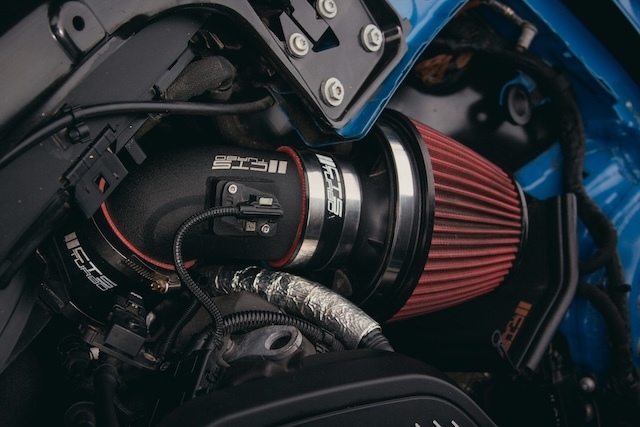
While the law is on your side, here are a few best practices to ensure your performance parts and warranty stay on good terms:
- Use reputable brands and ensure compatibility with your make and model.
- Make sure that the aftermarket parts installed in your car are designed for your make and model. Incorrect parts often cause issues that won't be covered by your warranty.
- Make sure to install the part correctly. Often, warranties are voided because a part wasn't installed correctly, leading to failure in other components.
- Consider professional installation to avoid errors that could damage other components.
- Keep documentation of the parts and installation.
- Don’t let the dealer intimidate you - ask for proof the aftermarket part caused damage.
- If a dealership refuses to cover a warrantable failure, you must aggressively pursue your rights. Send a certified letter to the manufacturer expressing your belief that they have ignored their obligations. Contact your state consumer affairs office and/or attorney general's office. If your state has a dealership licensing board, contact them as well.
Know Your Warranty Rights Before You Modify
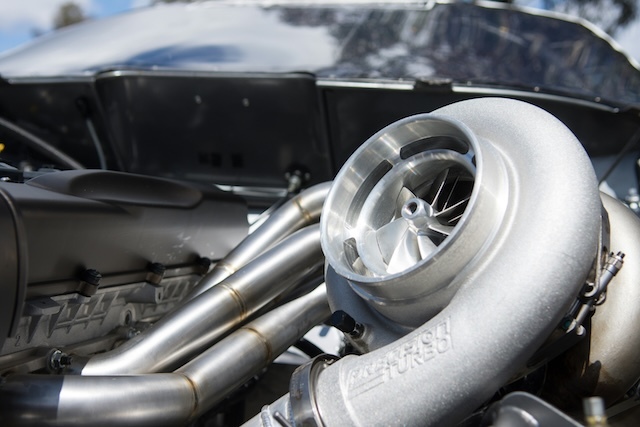
While performance upgrades can enhance your vehicle’s capabilities, it's essential to understand their warranty impact and your rights under federal law before you start modifying your vehicle.
Whether you're planning to add a turbo, lower your ride, or get an ECU tune, being proactive and knowledgeable ensures your warranty stays intact where it matters.
We have hands-on experience with the products we sell and use them on our own cars. Need help finding the right parts for your build? We offer expert advice and no hassle returns. Contact us to order your performance aftermarket parts today!