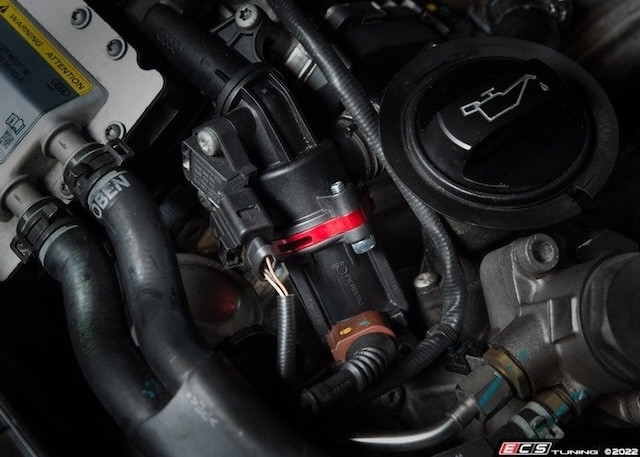
Are you looking to upgrade the diverter valve or blow-off valve on your European sports car? Or just seeking more info on both valves? If your answer to either question is yes, you came to the right place.
If you have a turbocharged vehicle, you need one of the following:
- A diverter valve
- A blow-off valve
- A diverter and blow-off valve hybrid
Which option is the right one for you? Let’s find out.
What Is A Blow-Off Valve?
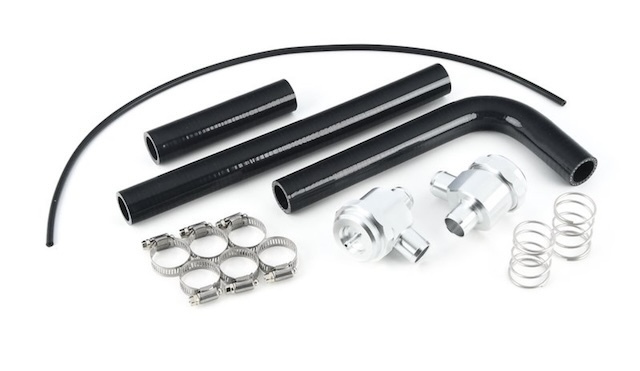
You know how some performance cars make that very cool "whoosh" sound? That's because these cars have a blow-off valve (BOV). The BOV releases excess compressed air from the turbo into the atmosphere. But where does excess compressed air come from? This is how it happens:
- You are heavy on the throttle.
- The turbo builds boost pressure.
- You get off the throttle to downshift or brake.
- The throttle plate snaps closed, leaving the compressed intake air with nowhere to go.
- The turbo keeps spinning, due to inertia, and compressing air the engine doesn't need.
- Excess boost pressure is created.
The blow-off valve is located between the turbo and the throttle plate in the charged air circuit. When the excess boost pressure rises above a certain amount, the blow-off valve opens, releasing the air under the hood. Whoosh!
What Is A Diverter Valve?

A diverter valve is very similar to a blow-off valve, with one key difference. When there is excess boost pressure, the diverter valve routes the air back into the intake air flow, just before it enters the turbo.
An aftermarket blow-off valve simply takes that air and sends it out into the atmosphere once again. This causes the computer to inject fuel based on the previous air in the system, plus any new air taken in. The blow-off valve makes a cool sound, but it often results in a richer-running engine.
What Is The Benefit Of A Diverter Valve VS. A Blow-Off Valve?
The diverter valve reroutes the excess air pressure back to the compressor inlet. This pressurizes the air before it enters the turbo. As compared to a blow-off valve, this brings several benefits:
- The compressor wheel doesn't slow down as much
- Decreased turbo lag
- Boost pressure is more constant
The result is an engine that has more consistent power output, and is easier to drive smoothly. This is really important when you're driving hard. Smooth power delivery is what you want when you're in mid-corner at the limits of adhesion. The downside is that the whoosh sound is very muted.
Why Upgrade Your Diverter Valve?
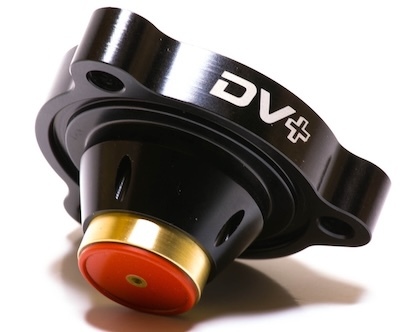
Most turbocharged European sports cars come with a diverter valve. So the system within your car is likely already designed to work with a diverter valve. But, like many stock parts, they come with a plastic body and fragile rubber diaphragms prone to failure. That means boost leaks are common among factory diverter valves. When a plastic diverter valve breaks, it can damage the turbo and cause a poor fuel mixture, leading to a rough idle and sluggish acceleration.
That's why we sell a lot of upgraded diverter valves. We understand how important a well built high performance diverter valve is to a vehicle's performance. We carry only the best, most reliable diverter valves for performance cars. In addition to being more reliable, aftermarket diverter valves work better with performance upgrades.
Why Upgrade To A Blow-Off Valve?
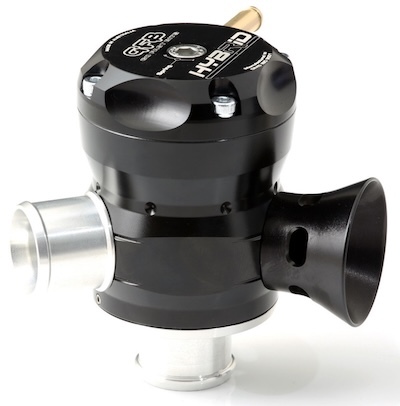
Some Euro sports car owners decide to switch to a blow-off valve. Why, though? There are a couple of reasons:
- OEM blow-off valves can have higher boost pressure ratings than OEM valves.
- Blow-off valves make the beautiful "whoosh" sound.
- They can be more durable than OEM diverter valves.
If you're interested in changing to a blow-off valve, proceed with caution. If you delete a diverter valve, and your car has a complicated engine management system, a blow-off valve may cause drivability issues or error codes. It may also increase turbo lag, which you will feel when driving hard and shifting gears.
Diverter And Blow-Off Valve Hybrids Exist
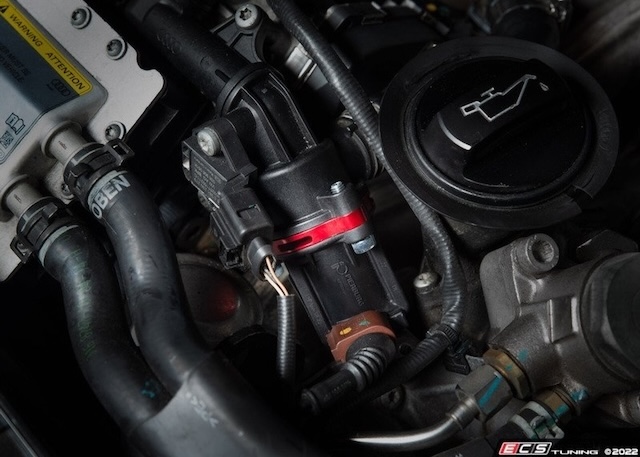
When looking for an aftermarket upgrade, you could choose either a diverter valve or a combination diverter AND blow-off valve. Your choice will depend upon your performance goals and if you want to alter the factory design.
To get the best of both components, consider getting a hybrid diverter and blow-off valve. A hybrid valve redirects some of the air back into the intake stream and dispenses the rest into the atmosphere. This allows the benefits of a diverter valve while making that awesome "whoosh" sound. Win-win.
We carry some of the best diverter and blow-off valve hybrids on the market. Search for your turbocharger upgrades from our large selection of top-quality brands, or reach out to us if you have questions.