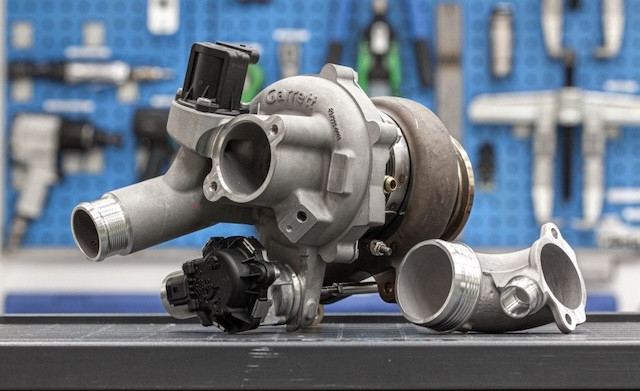
If you’ve been going to cars and coffee meets or hanging out in the forums, you may have heard these comments: "Adding a turbo kills your engine" or "High boost equals short life."
It’s a valid concern. Whether you're driving an Audi that's turbocharged from the factory or looking to slap an upgraded snail on your MK7 GTI, you want your car to last. As enthusiasts, we want the power, but we also want to drive our cars for a long time.
So, let's answer the big question honestly: Do turbos impact engine life?
The short answer is: Yes, but not necessarily in the way you think. Turbocharging adds stress, but with modern engineering and proper maintenance, a turbocharged engine can be just as reliable as a naturally aspirated one.
Here's a breakdown of the upsides, the downsides, and how to keep your boosted engine running strong.
The Upsides: Why We Love Boost
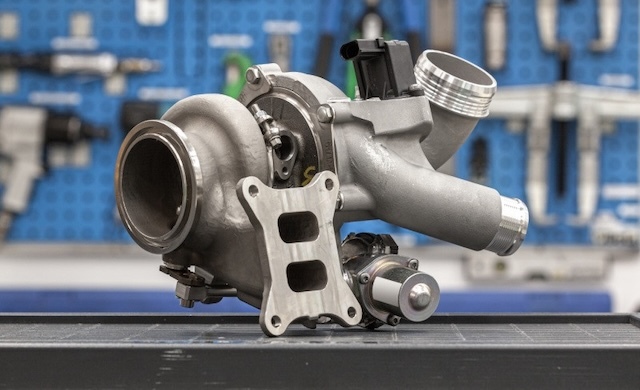
We don't sell turbos just because they look cool under the hood (though they definitely do). We sell them because they transform the driving experience.
1. The Replacement for Displacement
Gone are the days when you needed a V8 to go fast. A turbocharger allows a smaller, lighter engine to punch way above its weight class. This means you get the handling benefits of a lighter front end with the torque of a much larger engine. That immediate surge of torque - the push back in your seat feeling - is something a naturally aspirated engine just can't replicate without massive displacement.
2. Efficiency (When You Behave)
Believe it or not, a turbo can actually help with efficiency. By utilizing exhaust gas energy that would otherwise be wasted out the tailpipe, a turbo forces more air into the engine. This improves volumetric efficiency. When you aren't mashing the throttle, a smaller turbocharged engine burns less fuel than a large N/A engine while cruising on the highway.
3. Tuning Potential
This is the big one for us at EuroSport Tuning. Turbocharged engines are incredibly receptive to modifications. A simple software tune and a downpipe can often unlock 50-80+ horsepower without opening the engine block. That kind of dollar-per-horsepower value is impossible to beat.
The Downsides: The Cost of Power
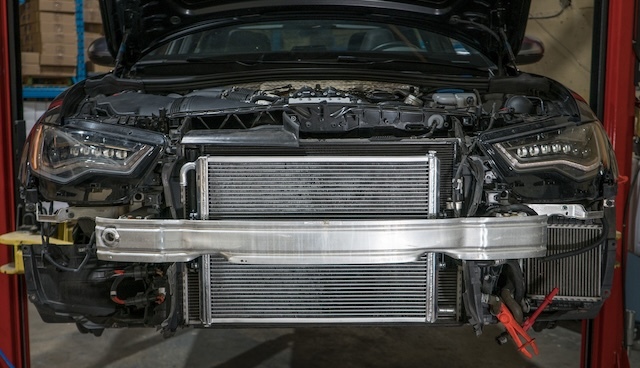
We believe in transparency. Adding power always adds variables. Here is what you need to know about the impact on longevity.
1. Heat Is The Enemy
Turbos spin at incredible speeds (upwards of 100,000 RPM) and are driven by hot exhaust gases. This creates a lot of heat in the engine bay.
- The Fix: This is why we stress the importance of support mods. Upgraded intercoolers, high-quality oil, and proper cool-down periods are essential. If you manage the heat, you manage the wear.
2. Increased Cylinder Pressure
Forcing more air into the engine increases the pressure inside the cylinders. This puts more load on your pistons, rods, bearings, and head gasket.
- The Reality: Modern engines (like the VW EA888 or BMW B58) are over-engineered from the factory to handle significantly more pressure than stock. However, if you are pushing for massive numbers, you need to know the safe limits of your specific engine internals.
3. Complexity And Maintenance
A turbo system adds more parts: the turbo itself, wastegates, diverter valves, intercooler piping, etc. More parts mean more potential points of failure. Preventive maintenance is key. There are several steps you can take to keep your engine healthy:
- Use Synthetic Oil: Use high quality synthetic oil and if you've added boost, change it at short intervals. Synthetic oils handle the high heat in the turbo bearings much better than dino oils.
- Warm Up: Let the engine idle for 30–60 seconds after cold start (longer in very cold weather), and drive gently (avoid heavy throttle/boost) until the oil is fully circulating and temperatures stabilize. This ensures the turbo bearings get proper lubrication before high-speed spinning.
- Cool Down: After hard driving, idle for 1–2 minutes before shutdown to let the turbo spool down and cool (oil continues circulating to remove heat). Modern water-cooled bearings help, but this habit prevents oil coking in the turbo. For light daily driving, a gentle last mile or two often suffices - no need to idle excessively.
- Only Use Premium Fuel: Stick to the recommended octane (usually 91-93 AKI premium for most turbos) to prevent knock/pre-ignition, which stresses pistons, rods, and the turbo.
- Keep The Engine Clean: Dirty fuel injectors or carbon buildup will worsen combustion and may lead to knock. Use fuel system cleaners occasionally, and consider walnut blasting (for direct-injection engines) every 50,000-80,000 miles.
- Keep The Air Filter Clean: Replace the engine air filter more often than on naturally aspirated cars (every 15,000-30,000 miles, or sooner in dusty conditions). A clogged filter restricts airflow, forces the turbo to work harder, and can allow contaminants into the system. Keep the intercooler clean (externally) to avoid heat-soak and detonation.
- Maintain The Cooling System: Flush coolant every 60,000–100,000 miles (or per schedule) and use the correct type - many turbos have water lines to the bearing housing for extra cooling. Overheating spikes exhaust gas temperatures (EGTs), which can cook the turbo. Check hoses, thermostat, and radiator regularly.
- Use A Catch Can: Add a catch can (oil separator) on PCV systems if your engine is prone to oil consumption or carbon buildup (common in direct-injection turbos).
- Change The Spark Plugs: Changing spark plugs more frequently helps maintain clean, consistent combustion and prevents knock and detonation. Optimal combustion lowers exhaust gas temperatures.
The Verdict: It's All About How You Treat It
Does a turbo impact engine life? It depends on the owner.
If you take a cold engine, immediately hit maximum boost, never change your oil, and run a cheap, aggressive tune, then yes - you will shorten your engine's life.
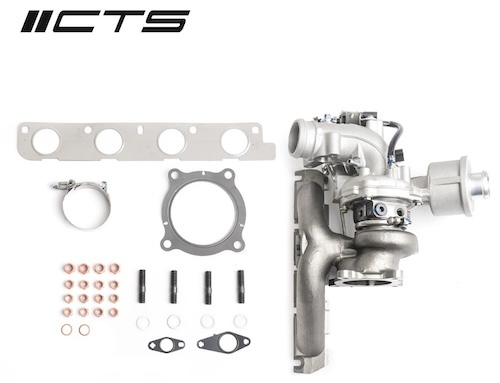
But if you warm up your car properly, use high-quality components (like the ones we sell at EuroSportTuning.com, and stay on top of maintenance, a turbocharged engine can easily hit 200,000+ miles. The danger doesn't come from the turbo; it comes from neglect.
Ready to add reliable power to your build? We only stock turbochargers and hardware from brands we trust on our own cars. From OEM replacements to Stage 3 upgrades, we can help you find the perfect balance of power and longevity. Shop our collection of performance turbos and hardware today!