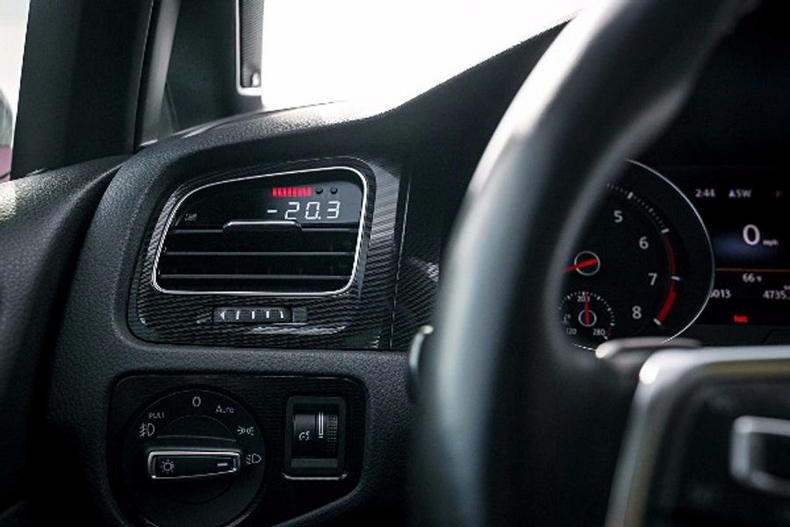
When modifying a turbocharged car, a boost gauge should be one of the first aftermarket upgrades you install. Whether you’ve made mild upgrades like a cold air intake, or gone all-in with headers, a fuel system upgrade, and an ECU tune, a boost gauge is essential for both performance and engine safety.
What Does A Boost Gauge Do?
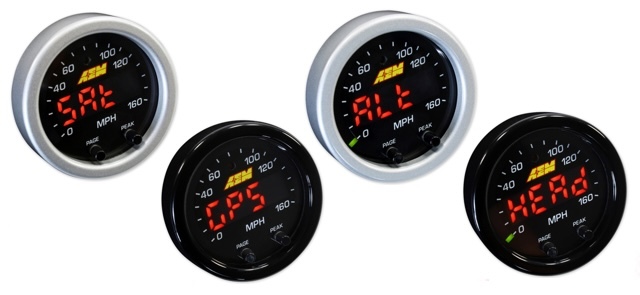
A boost gauge measures the air pressure produced by your turbocharger or supercharger. As the engine works harder, boost levels rise. But here’s the catch:
- Too much boost can lead to dangerous engine conditions.
- Too little boost could mean leaks, hose issues, or wasted performance.
- The sweet spot is maintaining boost within your car’s safe pressure range.
With a boost gauge, you can instantly see if your engine is operating in a safe range or approaching levels that could cause serious damage.
Why Is A Boost Gauge Important?

Without a boost gauge, running aftermarket parts is like flying blind.
Engines are built to handle stock boost levels. Once you add performance upgrades, the engine may be pushed beyond its designed limits. High boost pressures without monitoring can cause engine failure.
A boost gauge also acts as a preventive tool. If a vacuum hose comes loose or blows off under load, the gauge will show abnormal readings, giving you a chance to shut the engine down before further damage occurs. This applies to both stock and modified cars.
“Better to spot a problem on your boost gauge than discover it with a blown engine.”
Installing A Boost Gauge
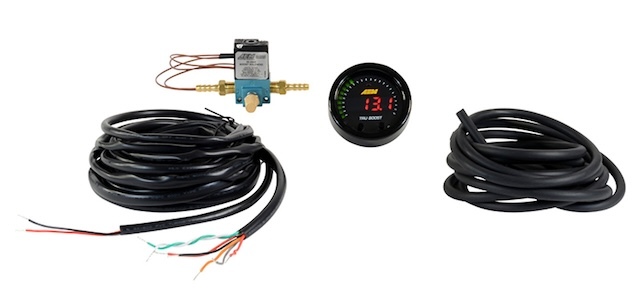
Boost gauges are relatively inexpensive, easy to install, and available in a wide variety of designs to match your interior.
- Styles: black or white faces, multiple bezel finishes, and backlight colors.
- Mounting options: dashboard, vent mount, A-pillar pods, or integrated factory-style setups.
- Complementary gauges: fuel pressure, oil pressure, and boost controllers.
If you’ve added significant horsepower or have a pro tune, monitoring your engine’s health with multiple gauges becomes even more important.
| Build Setup | Recommended Gauges |
| Stock - Factory Turbo | Boost Gauge |
| Lightly Modified – ECU, exhaust, intake | Boost gauge + fuel pressure gauge |
| Heavily Modified – Larger turbos, injectors, and aggressive tunes | Full gauge set (boost gauge + fuel pressure gauge + oil pressure gauge) |
How Much Do Boost Gauges Cost?

Boost gauges range in price depending on style, brand, and features. A basic gauge can cost under $100, while premium digital or multi-function gauges may run a few hundred dollars. Custom integrated kits may cost even more.
Can I Install A Boost Gauge Myself?
Yes, most enthusiasts can install a boost gauge with basic tools and some patience. Complete kits come with detailed instructions. Make sure to have some essential tools - like a socket and ratchet set, screwdrivers, pliers, drill and step bit, etc. - on hand before starting your project:
If you’re not comfortable tapping into vacuum lines or dealing with wiring, a professional install is recommended.
Boost Performance With A Boost Gauge From EuroSport Tuning
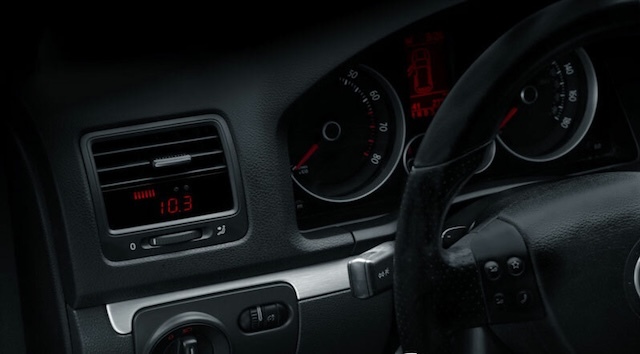
Enhancing the performance of your car is always a satisfying prospect. But the experience can quickly turn sour if you don’t do it right. Installing a boost gauge allows you to make the most of your performance mods while keeping track of boost pressures and any potential issues.
Boost gauges are cost-effective and can save you money in the long run. We have hands-on experience with the products we sell and use them on our own cars. Need help finding the right parts for your build? We offer expert advice and no hassle returns. Contact us to order your boost gauge and other performance aftermarket parts today!