Taking your track build to a High-Performance Driving Event (HPDE) for the first time is an unforgettable experience. We have a passion for building track cars and know a thing or two about pushing vehicles to their absolute limits.
When prepping for track day, it is incredibly tempting to focus on adding horsepower. However, most track veterans have learned this valuable lesson: power means nothing if your car can't survive a 20-minute hot session. The factory components on your Audi, BMW, or VW are designed for the street. Track driving subjects your car to sustained heat and stress that will rapidly expose its weak points.
Before you flash your ECU for more boost, you need to ensure your car is safe, reliable, and predictable.
The Foundation of Track Reliability
Brake Fluid and Pads
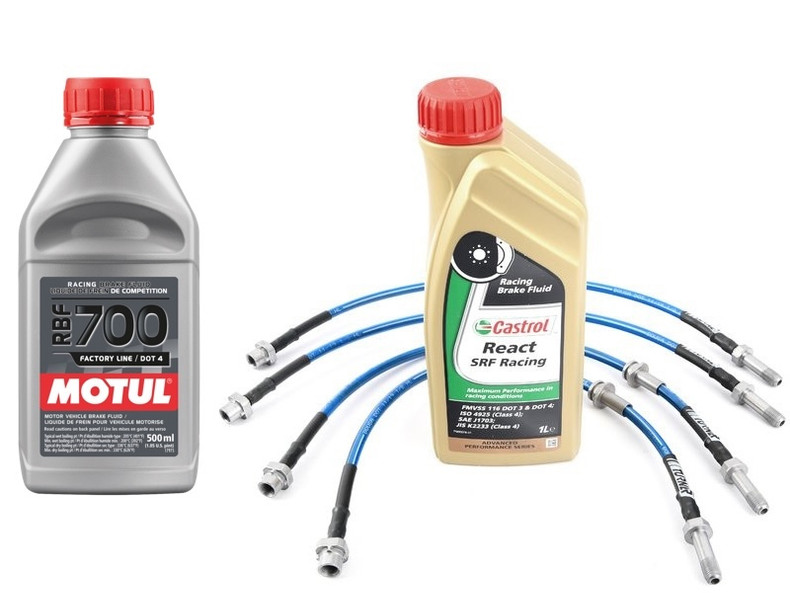
Track driving generates friction temperatures that far exceed anything encountered on public roads. Factory brake fluid is hygroscopic (meaning it absorbs moisture over time), which drastically lowers its boiling point. Under track conditions, this moisture boils into a gas, leading to brake fade and a terrifyingly soft brake pedal that goes straight to the floor.
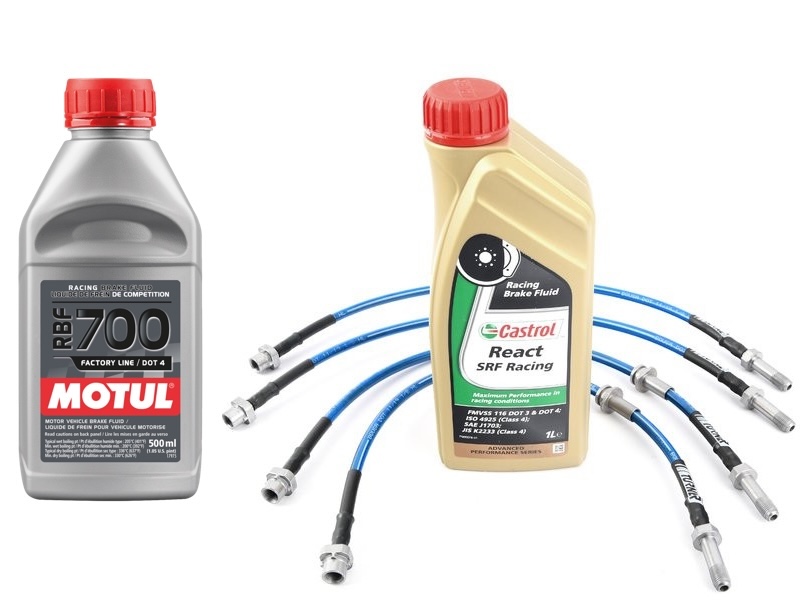
- Brake Fluid: Flush your system entirely with a high-temperature racing brake fluid (such as Motul RBF or Castrol SRF) that boasts high dry and wet boiling points.
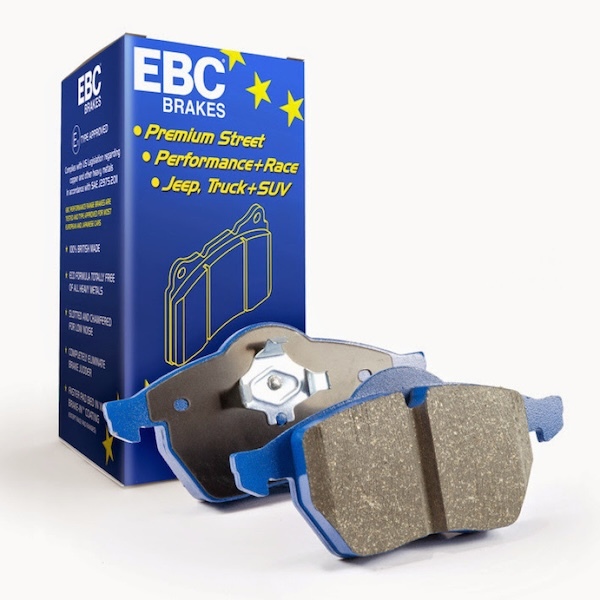
- Track Pads: Swap your standard street pads for a dedicated track pad compound, like those from EBC Brakes, Hawk, or Pagid. Street pads are designed to work when cold and stay quiet, but they will glaze over and disintegrate under track heat. Track pads require some heat to work optimally, but they offer a much higher operating temperature ceiling, incredible bite, and the durability needed to haul your car down from triple-digit speeds lap after lap.
Cooling Systems
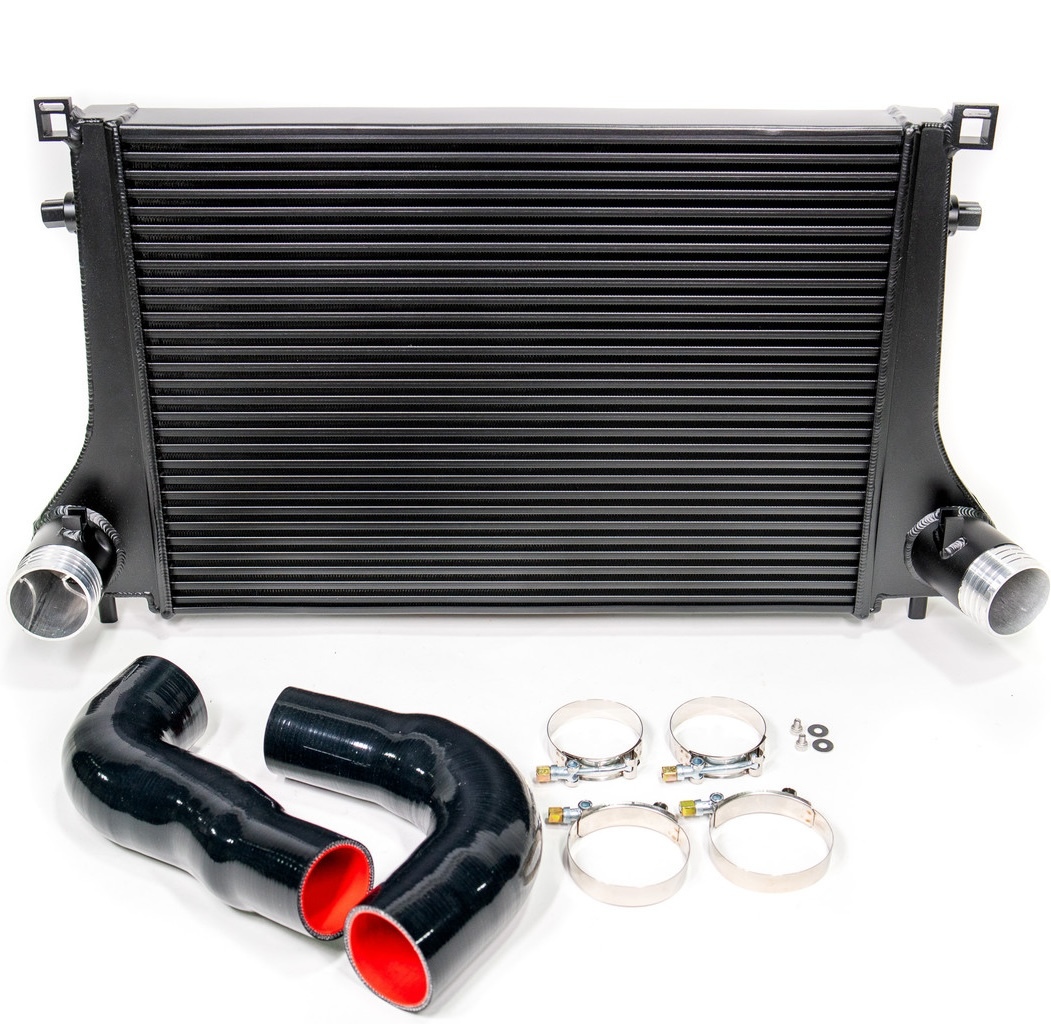
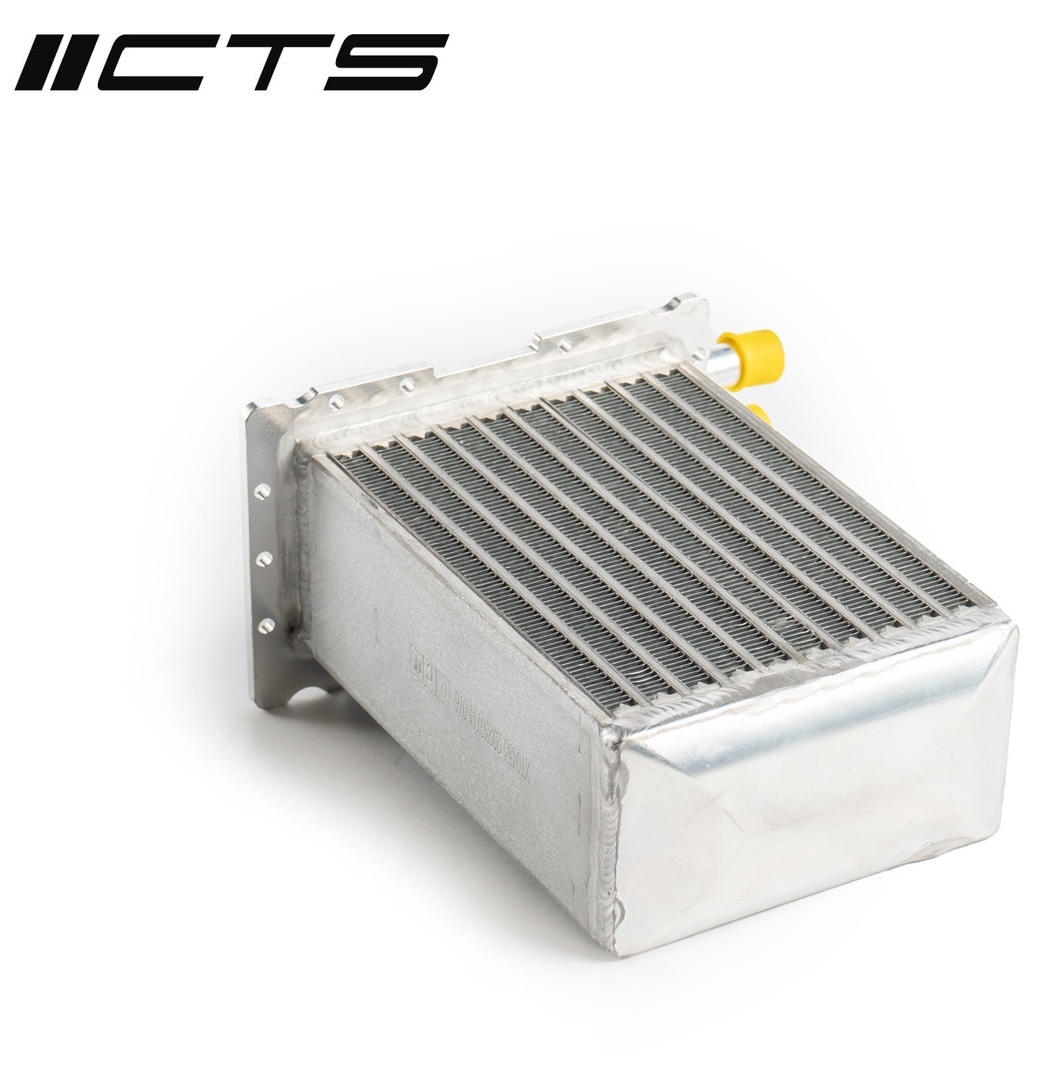
Turbocharged vehicles, particularly modern European cars, generate massive amounts of localized heat. When you are running at wide-open throttle for extended periods, the turbocharger compresses air, superheating it in the process. If this heat isn't managed, heat soak creeps in. This is when the engine's intake air temperatures rise so high that the ECU aggressively pulls ignition timing to prevent engine knock, resulting in a severe, noticeable loss of horsepower.
- Intercoolers: Upgrading your factory intercooler to a high-capacity, stepped-core unit from respected brands like Do88 or AWE is highly recommended. These units feature larger core volumes and denser fin packs to drastically improve thermal dissipation.
- Beyond the Intercooler: Depending on your chassis, you should also consider upgrading your primary radiator or adding an auxiliary engine oil cooler. Keeping oil and coolant temperatures within their optimal ranges ensures your engine delivers consistent, reliable power throughout a track session.
Suspension and Sway Bars

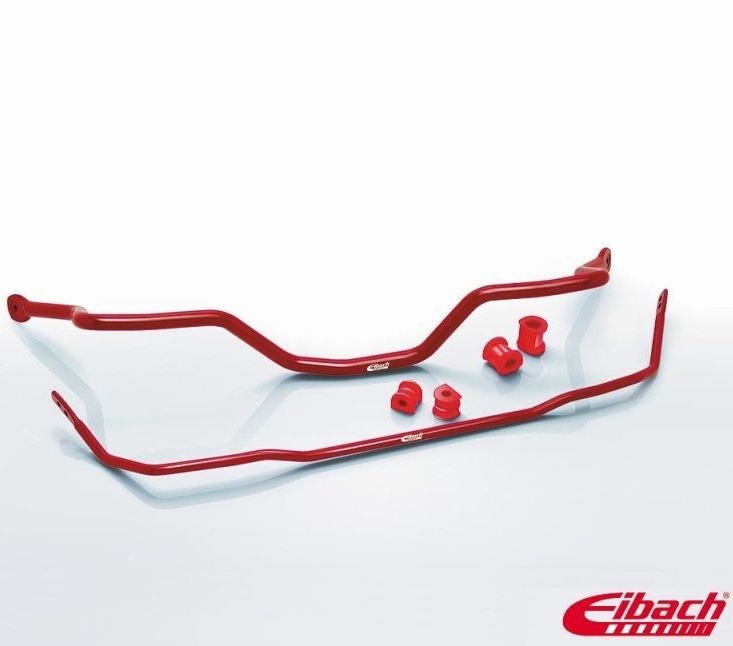
Managing weight transfer through high-speed corners is the key to carrying momentum and cutting down lap times. Most factory cars are purposefully tuned by the manufacturer with heavy understeer (the tendency for the front of the car to push wide in a turn) because it is predictable and safe for the average driver. However, on the track, understeer is the enemy of a fast lap.
- Rear Sway Bars: Upgrading to a thicker, stiffer rear sway bar is often the most cost-effective handling modification you can make. It shifts the car's roll stiffness bias toward the rear, effectively dialing out that factory understeer. This allows the rear end to rotate beautifully and predictably through tight, technical sections.
- Supporting Upgrades: To maximize this rotation, pair your sway bar with upgraded end links to handle the extra stress. For even greater control, complement this with a track-oriented alignment (dialing in more negative camber), and consider upgrading to stiffer lowering springs and performance dampers, or a full coilover system, to keep the tire contact patch firmly planted against the tarmac.
Fresh Maintenance
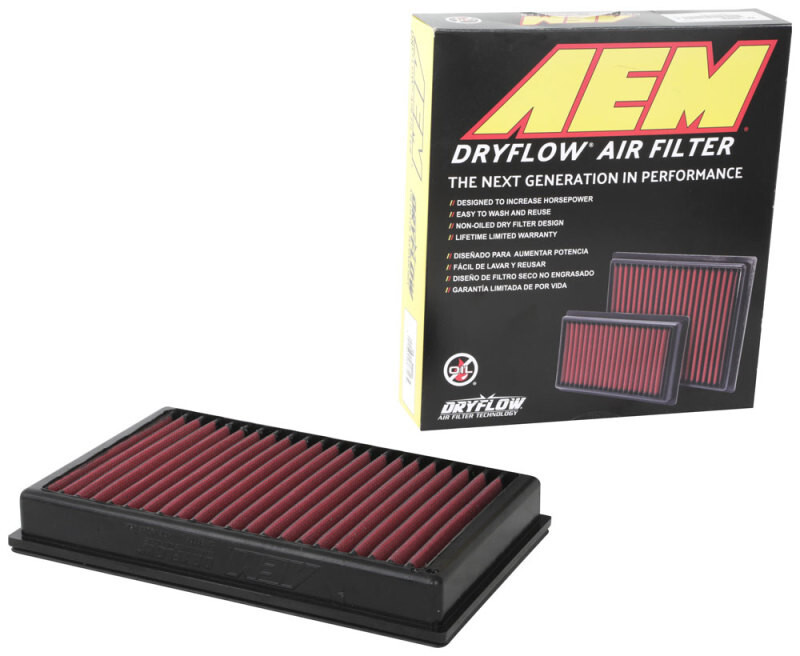
A single weekend on a road course can subject your car to the equivalent wear and tear of thousands of miles of street driving. The track is an unforgiving environment, and it is absolutely not the place to discover a deferred maintenance issue.
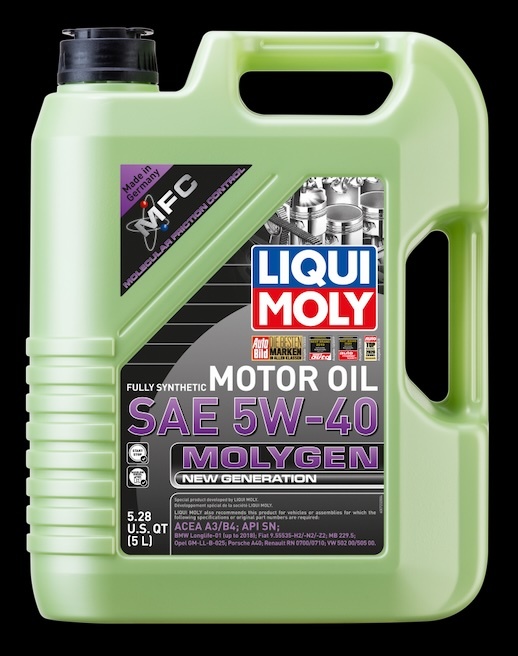
- Fluids and Filters: Perform a fresh oil change using a high-quality, high-temperature synthetic oil, and replace your oil filter. Check your transmission and differential fluid levels as well.
- Belts and Hoses: Thoroughly inspect your serpentine belt for any fraying or cracking, and squeeze your coolant hoses to ensure they are supple and free of dry rot.
- Chassis Inspection: Before you pass tech inspection, check your wheel bearings for play, inspect your CV boots for tears, ensure your suspension bushings are intact, and correctly torque every single lug nut. Preventive maintenance guarantees that your focus stays on hitting your apexes rather than worrying about getting stranded in the run-off area.
Pro Tip: Don't forget your tires! Make sure you have plenty of tread depth and check your tire pressures as soon as you come off the track. Heat expansion will drastically alter your tire pressure.
Building a capable track car is a journey, and we are here to support you every step of the way with the same premium parts we run on our own vehicles. Ready to upgrade your build? Get in touch with us if you have questions, and check out our entire catalog of brake, cooling, and suspension components to be ready for your next track weekend!