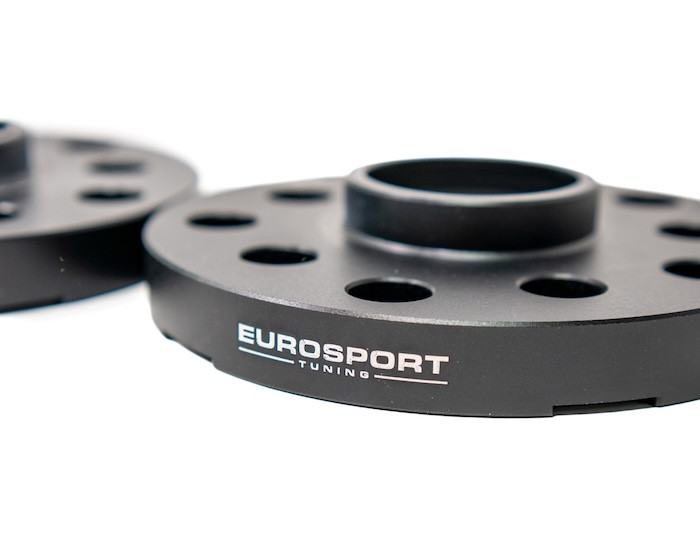
Wheel spacers are a popular modification for automotive enthusiasts looking to improve their vehicle's stance or to fit wider wheels and tires. By pushing the wheels further out from the hub, spacers provide a wider track and a more aggressive aesthetic.
However, adding hardware between your wheel and the hub can lead to a common and frustrating issue: high-speed vibration. To ensure a smooth ride, it is vital to understand the differences between the two main types of wheel spacers - hub-centric and lug-centric - and to know which one to choose for your vehicle.
Hub-Centric Wheel Spacers: The Precision Choice
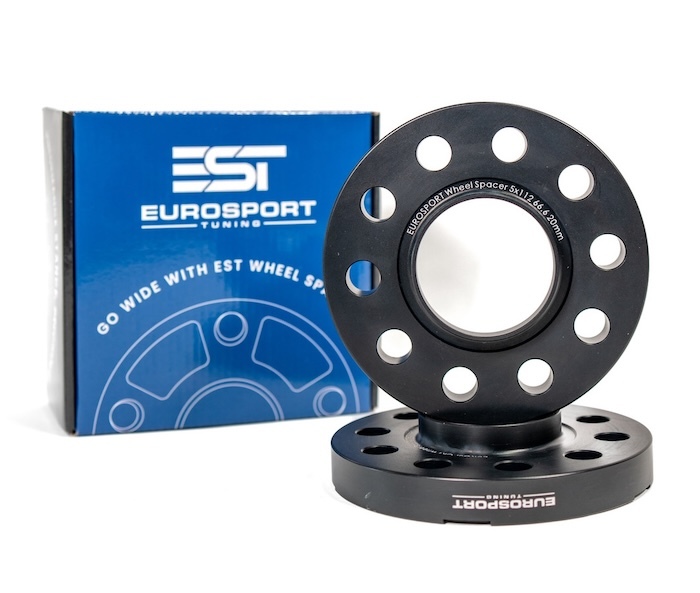
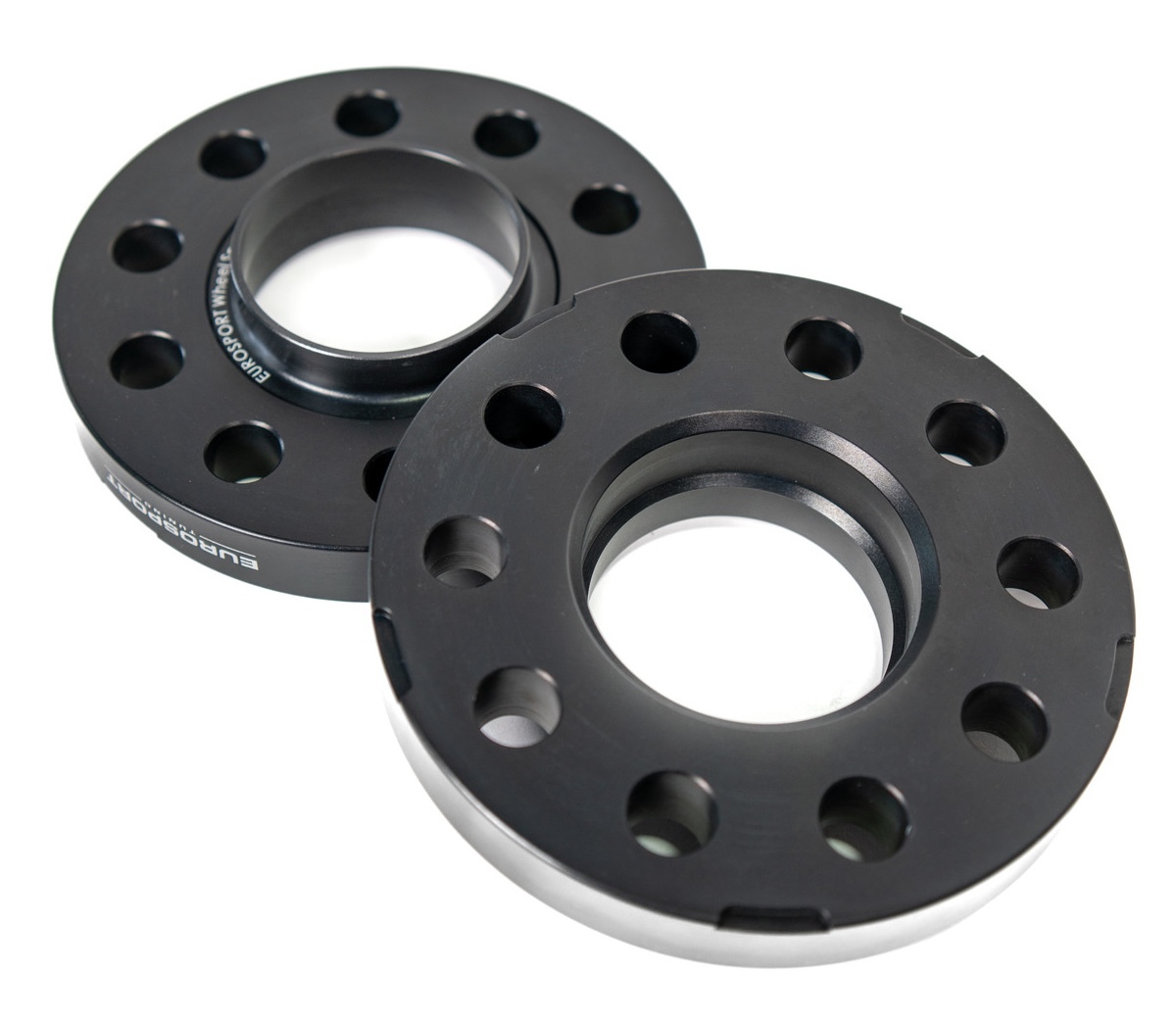
Hub-centric wheel spacers are designed to fit perfectly over the center bore of the vehicle's hub. In this setup, the wheel is centered by the hub rather than the wheel studs.
Pros:
- Eliminates vibration by ensuring the wheel is perfectly centered.
- Reduces shear stress on the lug nuts and studs.
- Offers a factory-like fitment for specific vehicle makes.
Cons:
- Can be more expensive due to precise machining requirements.
- Not universal; must match your vehicle's specific hub diameter.
You would typically use hub-centric spacers when you want the highest level of safety and ride quality. Because they provide a solid metal-to-metal contact point between the hub and the wheel bore, they are the preferred choice for daily drivers and performance vehicles that see high-speed use. A hub-centric design ensures that the wheel is centered by the center bore, which is the most accurate way to prevent wheel runout and vibration.
Lug-Centric Wheel Spacers: The Universal Alternative
Lug-centric spacers rely solely on the torque of the lug nuts and the taper of the lug seats to center the wheel. Unlike hub-centric versions, these often have a larger center hole to fit a wide variety of vehicles.
Pros:
- Generally more affordable and easier to manufacture.
- Highly versatile and fits many different vehicle models.
Cons:
- Higher risk of wheel wobble if not installed with extreme care.
- Places the entire load of the vehicle on the wheel studs.
- Requires precise, incremental torquing to achieve even centering.
Lug-centric spacers are often used in universal applications or on older vehicles where hub dimensions vary significantly. They are a viable, budget-friendly option, but they require the installer to be meticulous with the star-pattern tightening sequence to avoid mounting the wheel slightly off-center. This type of spacer design is prone to wheel wobble if not perfectly installed.
Why Does Wheel Wobble Happen With Spacers?
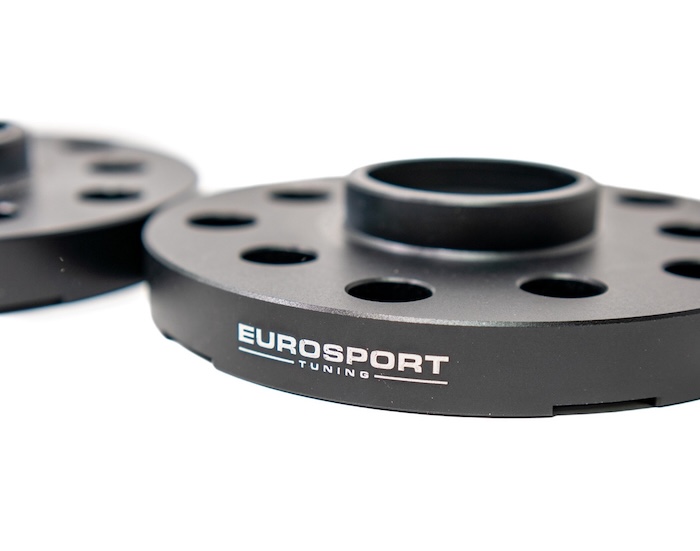
Wheel wobble occurs when the wheel is not perfectly concentric with the axle. Even a fraction of a millimeter of offset can cause significant vibration at highway speeds. When using spacers, this usually happens because the spacer fails to provide a snug fit against the hub or the wheel.
If the spacer is lug-centric and the nuts aren't perfectly centered in the lug holes, the wheel will orbit the hub rather than spinning perfectly around it, leading to a rhythmic vibration that can damage your suspension over time. That is why hub-centric wheel spacers are the preferred choice by most informed enthusiasts.
EuroSport Tuning Wheel Spacers
If you are looking for high-quality, precision-engineered hub-centric spacers, EuroSport Tuning offers a range of spacers designed specifically for European makes. These are some of our most popular items:
Upgrade Your Stance with EuroSport Tuning
We specialize in high-performance parts for European vehicles. We understand that your car is more than just a mode of transportation; it’s a passion. That’s why we only stock parts that meet our rigorous standards for quality and durability.
Whether you are looking to widen your track for better handling or simply want that perfect flush look, our hub-centric spacers ensure you don't have to sacrifice ride comfort for style. Get in touch with us if you have questions about fitment, and check out our entire catalog online today to experience the difference that precision engineering makes.