Dual mass flywheels allow for fluidfeeling clutch engagements and offer a more luxurious feel than singlemass flywheels. However, with these benefits come significant drawbacks. Why convert from a dualmass flywheel to a singlemass flywheel?
- Cost: Dualmass flywheels are expensive, with the cost of replacement often times is double or triple than that of converting to a singlemass flywheel.
- Serviceability: Singlemass flywheels can be resurfaced, eliminating the need to replace with the next clutch service. something that is not recommended with dualmass flywheels, as they contain a rubber section that is more failureprone in high mileage application.
- Simplicity: Singlemass flywheels lack the complexity of dualmass flywheels, making them inherently more reliable. Dualmass flywheels contain a rubber damper or hub that will, like all rubber components, wear out with time.
- Pedal Feel: Many enthusiasts prefer to eliminate BMW's "Self Adjusting Clutch", which has been known to provide an unpredictable, inconsistent engagement point.
- Driveability: Valeo's conversion kit has been designed to maintain nearly identical clutch and flywheel weight, ideal for keeping the clutch quiet and easy to drive.
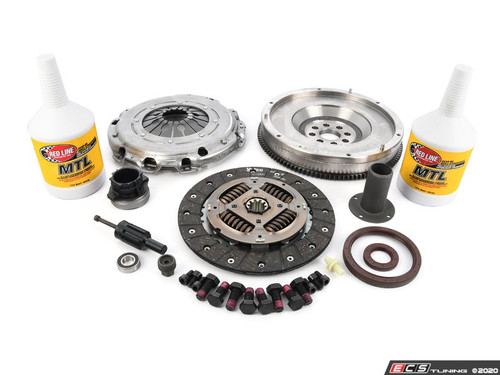
Kit contents:
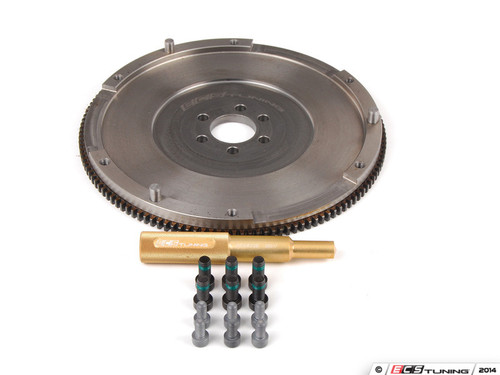
- Singlemass flywheel
- NonSelf Adjusting Clutch and pressure plate
- Throw out bearing
- Pressure plate bolts
- Flywheel bolts
- Transmission service kit
- Guide tube?
- Input and output shaft seals?
- Pilot bearing?
- Clutch fork pivot pin?